Table of Contents
- Choose High-Quality Paint
- Proper Surface Preparation
- Apply Primer
- Optimal Weather Conditions
- Correct Application Techniques
- Regular Maintenance
- Consider Climate Factors
- Select Appropriate Colors
- Conclusion
A flawless finish on your home’s exterior results from careful preparation, quality materials, and attention to environmental conditions. Whether reviving aged siding or protecting a newly built structure, following the right steps is key to ensuring a paint job that not only looks beautiful but also withstands the test of time. Homeowners researching exterior painting will find that taking a methodical approach can deliver results that remain vibrant season after season.
From the initial paint selection to ongoing maintenance, each phase of an exterior painting project offers an opportunity to enhance durability and curb appeal. With proper guidance and preparation, costly mistakes and premature peeling can be avoided, adding value and protection to your property. For commercial properties or businesses with unique painting needs, advances in industrial painting can offer specialized coatings and methods designed to withstand the rigors of heavy use and specific environmental conditions.
Choose High-Quality Paint
Not all paints are created equally when it comes to the exterior of your home. High-quality paints, particularly acrylic latex options, deliver better coverage, flexibility, and weather resistance than bargain brands. This superior performance greatly increases longevity and helps repel moisture, UV rays, and temperature changes. Trusted sources like Consumer Reports recommend investing in reputable brands that specifically formulate outdoor paint. This initial expense saves money in the long run by extending the lifespan of your paint job.
Proper Surface Preparation
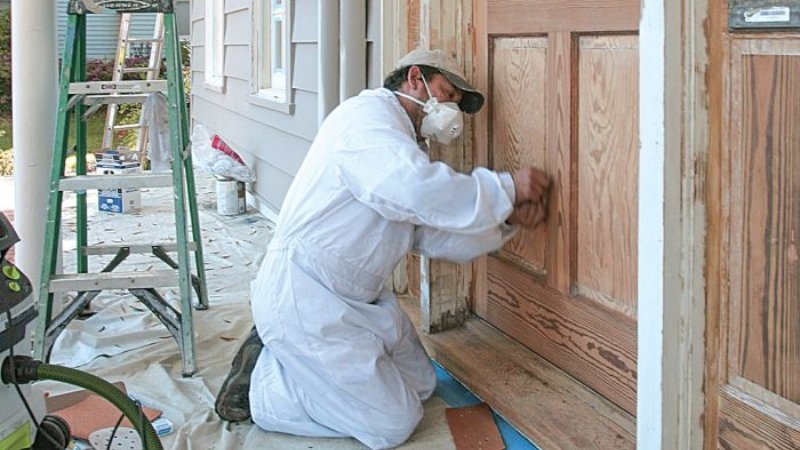
Preparation is a step too important to rush. Begin by thoroughly cleaning surfaces, removing all dirt, mold, and loose paint. This may require power washing or scrubbing with specialized detergents. Scrape and sand away any peeling spots, and repair damage such as holes or rotten wood to give paint a smooth, sound base to adhere to.
Apply Primer
Priming is especially important when painting over bare wood, fiber cement, or patched areas. Primer creates a consistent, sealed surface so paint applies evenly and adheres securely. It can also prevent stains from bleeding through lighter colors and block moisture penetration, both of which compromise paint’s longevity. Skipping primer often results in uneven coloring and reduced adhesion, so always include this step for strong results.
Optimal Weather Conditions
Weather can significantly impact both the application and the long-term durability of your exterior paint. Aim to paint on dry days when temperatures are mild (ideally between 50 and 85 degrees Fahrenheit), and humidity is low. Avoid painting during rain, strong winds, or intense direct sunlight. These conditions can cause uneven drying, bubbling, or reduced adhesion. Planning your project around a favorable weather window ensures each coat dries as intended for the toughest finish.
Correct Application Techniques
The tools and methods you choose matter. Use high-quality brushes, rollers, or sprayers designed for exterior use, and always apply paint according to the manufacturer’s recommendations. Generally, two coats provide the best coverage and protection. Work in manageable sections, maintaining a “wet edge” to prevent lap marks, and overlap strokes for a consistent blend. Carefully painting edges and corners helps prevent peeling and ensures a uniform look across the entire surface. According to Livingetc, failure to prepare surfaces properly is one of the leading reasons paint projects fail prematurely.
Regular Maintenance
Regular upkeep is essential to a long-lasting exterior. Inspect painted surfaces yearly for signs of wear such as cracks, chips, or mildew. Address these issues immediately by cleaning, retouching spots, or caulking gaps. Keep gutters and downspouts clear to prevent water damage. Consistent, proactive maintenance can significantly prolong the time between repaints, helping stretch your investment.
Consider Climate Factors
Your local climate should inform every step of your painting project. Homes in humid climates benefit from paints with mildew-resistant additives. Properties in sunny or hot regions should use UV-resistant formulas to reduce fading and cracking. Coastal homes need paints engineered to withstand salty air and moisture. Understanding your unique environmental challenges helps you select products that will withstand your environment.
Select Appropriate Colors
The right color choices not only boost curb appeal but also impact durability. Light colors reflect sunlight, keeping your home cooler and reducing fading over time. Darker colors can absorb heat and tend to break down more quickly under intense sunlight. Think about your home’s architectural style, landscaping, and neighborhood guidelines when making your selection, and consider how your palette will look throughout the changing seasons. Choosing quality materials, properly preparing surfaces, and remaining attentive to both technique and maintenance will help any homeowner achieve an exterior paint job that is both beautiful and built to last. By following these proven practices, you’ll protect your investment and enjoy a stunning exterior for years to come.
Conclusion
Achieving a long-lasting, visually appealing exterior paint job requires more than just applying a fresh coat; it demands careful planning, the right materials, and consistent maintenance. From selecting high-quality paint and preparing surfaces properly to applying primer and working in ideal weather conditions, every step plays a crucial role in the final result. Attention to technique and detail ensures a smooth, durable finish that enhances your home’s overall appearance. Equally important is ongoing care and consideration of your local climate, as these factors can significantly affect how well your paint holds up over time. By choosing suitable colors and staying proactive with maintenance, you can extend the life of your exterior paint and protect your investment. With the right approach, your home can remain vibrant, protected, and beautiful for years to come. Visit Decorators Advice for more information.