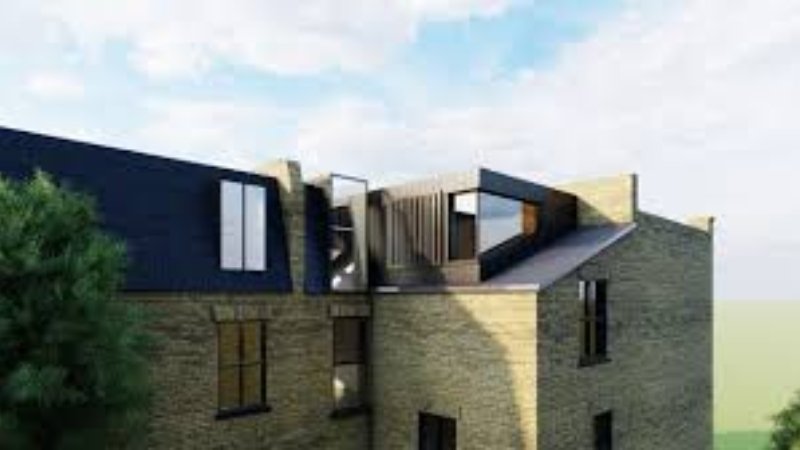
Loft conversions transform unused attic space into functional living areas. Architects in London properties often have wasted loft space. Conversions create bedrooms, offices, or playrooms. Understanding what loft conversions cost, or learning which types work best, helps you plan realistically. Loft extensions solve space problems without taking up garden area. They’re popular in London where outdoor space is precious. Experienced architects design loft conversions that enhance properties and add significant value.
Types of Loft Conversions for London Properties
Dormer loft conversions are most common. A dormer extends outward from the roof. It creates full-height walls providing proper headroom. The dormer sits on the roof slope. It’s less visually dramatic than mansards. Often easier to get Planning Permission for. Flat roof dormers are simplest. A flat-roofed structure extends from the roof. Creates usable space but doesn’t add as much headroom as pitched options. Cheaper than pitched dormers.Pitched roof dormers match existing roof pitch.
L-shaped dormers wrap around two sides of the loft. They add significant space and headroom. More complex structurally. More expensive. But create much more usable space. Mansard loft conversions completely redesign the roof. The roof becomes a series of slopes creating vertical walls. Maximum internal space gained. Most dramatic visual change. Most expensive option. Planning approval is difficult. Rear-only dormers minimize front appearance impact. The property looks mostly unchanged from the street. Planning approval is often easier. Popular in Conservation Areas where front preservation matters.
Full-width dormers extend the entire width of the property. Maximum space gained. Maximum visual impact. Planning approval is challenging. But dramatically transforms properties. Velux conversions use roof windows without dormers. Minimal visual impact. Cheapest option. But limited headroom gain. Works for smaller conversions. Good loft conversion design maximizes headroom. Headroom is positioned where needed most. Sloped areas are used creatively for storage or dressing space. The result is functional living space.
Planning Permission and Permitted Development Rules
Many loft conversions qualify for Permitted Development. This avoids Planning Permission entirely. Standard loft conversions without dormers often qualify if they don’t materially alter external appearance. Materials match existing. Design is sympathetic. Many Victorian properties qualify. Dormer loft conversions sometimes qualify depending on design. Rear-only dormers often qualify. Front dormers face more scrutiny. Size matters. Materials matter. Mansard conversions almost always need Planning Permission. Visual change is too significant. Design approval is difficult.
Architects in London, Conservation Areas affect these rules. Many neighborhoods have Conservation Area designation. External appearance matters. Materials must match. Proportions must work. Dormers face scrutiny. Listed buildings almost always need Planning Permission and Listed Building Consent. Changes to roofs require approval. Consent is difficult to obtain. Getting professional assessment determines whether your loft conversion qualifies for Permitted Development. This clarity prevents mistakes.
Building Regulations approval is mandatory regardless. The converted space must meet modern standards. Insulation. Ventilation. Fire safety. Structural soundness. All requirements apply.
Loft Conversion Costs Architects in London Explained
Costs vary by conversion type and location. Simple loft conversions without dormers typically cost 20000 to 30000. This includes structural work, insulation, windows, doors, basic finishes. Flat roof dormer loft conversions typically cost 25000 to 35000. More space than simple conversions. Pitched roof dormer loft conversions typically cost 30000 to 45000.
Better appearance than flat roof. More headroom. L-shaped dormer conversions typically cost 35000 to 55000. Significantly more space. More complex structure. Mansard conversions typically cost 40000 to 80000. Complete roof redesign is expensive. Materials and labor are significant. Velux conversions typically cost 15000 to 25000. Minimal structural work.
Cheapest option
Limited headroom. In central London, costs are higher. Outer London costs are lower. Building condition affects costs. Structural complexity affects costs. What affects cost? Roof condition matters. Good roofs cost less. Poor roofs need repair. Structural assessment costs. Some properties need reinforcement. Headroom solutions affect cost. Simple Velux is cheapest. Flat dormer costs more. Pitched dormer costs more. Mansard costs most. Materials matter. Standard materials cost less. Premium materials cost more. Finishing affects total cost.
Design Ideas to Maximise Space, Light, and Value
Good loft design maximizes usable space. Headroom is positioned where needed most. Sloped areas become storage or dressing spaces. The result is functional rooms. Light is essential in loft conversions. Windows in existing roof openings provide light. New dormer windows bring light into the extension Architects in London. Rooflights in flat roof areas bring additional daylight. Positioning matters. Views are considered. Ventilation prevents stuffy atmosphere. Openable windows provide fresh air. Mechanical ventilation supplements natural ventilation. Modern standards require proper ventilation. Storage uses sloped areas efficiently. Under-roof storage works well. Custom shelving uses awkward spaces. Built-in furniture maximizes functionality. Flooring matters. Proper insulation below flooring prevents heat loss. Materials should match existing floors where possible.
Color and finishes make spaces feel larger. Light colors feel spacious. Reflective surfaces help light travel. Strategic lighting creates comfortable environment. Bathroom placement matters. Sloped areas don’t suit bathrooms. Dormer areas work better. Proper drainage must work.
Why Homeowners Choose Extension Architecture for Loft Conversions
Extension Architects in London specializes in London loft conversions. They understand different property types. They know what works on Victorian terraces, Edwardian semis, modern properties. Site supervision ensures quality. Communication is clear. Problems are solved collaboratively. They deliver what they promise. On budget. On time. Quality completed. Visit Decorators Advice for more information.