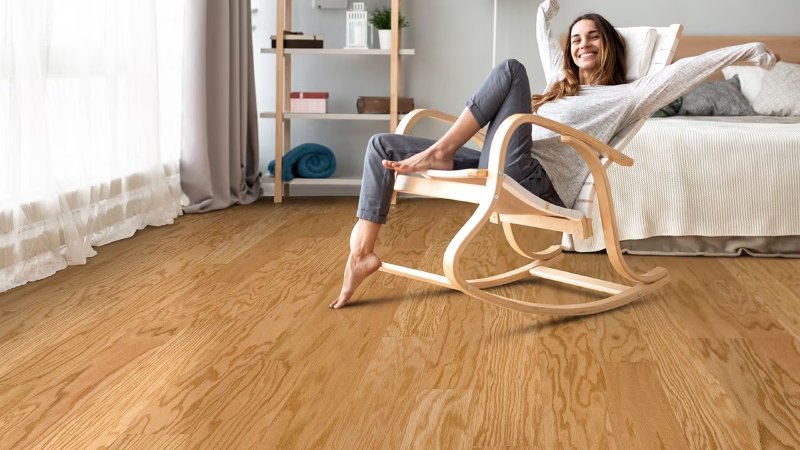
Choosing the right flooring is one of the most important decisions when designing or renovating a home. Floors define the overall atmosphere of a space, influence comfort, and contribute to long-term property value. Among the many flooring options available today, engineered Wood Flooring has become increasingly popular due to its durability, elegant appearance, and practical performance in modern homes.
Many homeowners now prefer engineered wood because it combines the beauty of natural hardwood with advanced manufacturing technology. Companies such as Tekno-Step have helped popularize this type of flooring by offering high-quality engineered wood solutions that provide luxury finishes while maintaining durability and easy maintenance.
In this guide, we will explore everything you need to know about engineered wood flooring, including its benefits, design possibilities, durability features, and how to choose the best option for your home.
Understanding Engineered Wood Flooring
Engineered wood flooring is designed to replicate the beauty of natural hardwood while offering greater structural stability. Unlike traditional hardwood planks, engineered wood consists of multiple layers that work together to enhance durability.
Typically, the top layer is made from real hardwood, while the underlying layers consist of high-quality plywood or composite materials arranged in cross-layers. This construction method helps reduce expansion and contraction caused by humidity or temperature changes.
As a result, engineered wood flooring performs well in environments where traditional hardwood might struggle, making it an excellent choice for modern homes.
Key Benefits of Engineered Wood Floors
Engineered wood flooring offers a variety of advantages that make it an appealing option for homeowners and designers alike.
1. Elegant Natural Appearance
One of the main reasons people choose engineered wood is its authentic appearance. Because the surface layer is made from real wood, it provides the same warmth and natural grain patterns found in traditional hardwood floors.
This natural aesthetic allows homeowners to create a luxurious and inviting atmosphere in living rooms, bedrooms, offices, and commercial spaces.
2. Enhanced Durability
The multi-layer structure of engineered wood flooring provides superior stability compared to solid wood. This construction minimizes warping and helps the floor maintain its shape even in fluctuating environmental conditions.
This durability makes engineered wood suitable for areas with moderate humidity levels, such as kitchens, dining rooms, and hallways.
3. Easier Installation
Another major advantage of engineered wood flooring is its ease of installation. Many engineered floors feature click-lock systems that allow planks to connect seamlessly without complex tools.
This system reduces installation time and makes it possible for professional installers to complete projects quickly and efficiently.
4. Simple Maintenance
Maintaining engineered wood floors is relatively easy. Routine cleaning typically involves sweeping or vacuuming to remove dust and debris. Occasional damp mopping with approved cleaning products helps maintain the floor’s shine without damaging the wood surface.
Comparing Engineered Wood to Other Flooring Options
When choosing flooring materials, homeowners often compare engineered wood with other popular options.
Engineered Wood vs. Solid Hardwood
Solid hardwood floors are made entirely from natural wood, while engineered wood uses a layered construction. Although solid hardwood offers classic appeal, engineered wood often performs better in environments where humidity fluctuations are common.
Engineered Wood vs. Laminate Flooring
Laminate flooring uses synthetic materials to replicate the appearance of wood. While laminate can be affordable and durable, it does not provide the same authentic wood texture as engineered wood. Engineered wood offers a more natural look and can sometimes be refinished depending on the thickness of the top layer.
Engineered Wood vs. Vinyl Flooring
Vinyl flooring is highly resistant to moisture and is often used in kitchens or bathrooms. However, engineered wood provides a more premium appearance and a warmer feel underfoot. Both materials offer durability, but engineered wood is often preferred in living spaces where aesthetic appeal is a priority.
Design Styles and Finishes
Engineered wood flooring is available in a wide variety of styles and finishes. This allows homeowners to match their flooring with different interior design themes.
Modern Minimalist Designs
Light-colored wood tones such as oak or maple are popular in modern minimalist homes. These shades create a bright and spacious atmosphere.
Classic and Traditional Looks
Darker wood tones like walnut or mahogany provide a timeless and elegant appearance that complements traditional interiors.
Rustic and Natural Textures
Some engineered wood floors feature hand-scraped or distressed textures, adding character and a rustic feel to living spaces.
Durability and Long-Term Performance
One of the most appealing aspects of engineered wood flooring is its long-term performance. High-quality engineered floors are designed to withstand everyday wear and tear while maintaining their beauty.
Resistance to Moisture Changes
Because of its layered structure, engineered wood flooring is less prone to expansion and contraction than solid wood. This makes it more stable in environments with varying humidity levels.
Scratch Resistance
Many engineered wood floors include protective coatings that help resist scratches and surface damage. These finishes are especially beneficial in homes with pets or children.
Longevity
With proper care, engineered wood flooring can last for decades. Regular cleaning and occasional refinishing help maintain its appearance over time.
Using Technology to Visualize Flooring Designs
One of the challenges homeowners face when choosing flooring is imagining how a specific material will look in their space. Fortunately, modern technology has made this process much easier. Some flooring companies now offer virtual simulation tools that allow customers to preview flooring designs in their own rooms. This innovation helps homeowners confidently select colors, textures, and patterns that complement their interior design.
By using digital visualization tools, homeowners can experiment with different flooring options before making a final decision.
Tips for Choosing the Right Engineered Wood Flooring
Selecting the perfect engineered wood flooring involves considering several factors.
1. Consider Room Usage
Different rooms have different flooring requirements. For example:
Living rooms may prioritize aesthetics.
Hallways require higher durability.
Bedrooms often benefit from warmer tones.
2. Evaluate Wood Species
The type of wood used in the top layer affects the floor’s appearance and durability. Oak, walnut, and maple are among the most popular options.
3. Check the Wear Layer Thickness
The thickness of the top wood layer determines whether the floor can be refinished in the future. Thicker wear layers generally provide greater longevity.
4. Choose the Right Finish
Finishes influence both appearance and durability. Matte finishes create a modern look, while glossy finishes highlight the natural grain of the wood.
Maintenance Tips for Engineered Wood Floors
Proper maintenance helps preserve the beauty and durability of engineered wood flooring.
Regular Cleaning
Dust and debris can scratch the floor surface if left unattended. Sweeping or vacuuming regularly helps prevent damage.
Avoid Excess Water
Although engineered wood is more resistant to moisture than solid hardwood, excessive water should still be avoided.
Use Protective Pads
Furniture pads can prevent scratches caused by chairs, tables, and other heavy objects.
The Future of Modern Flooring Solutions
The flooring industry continues to evolve with new technologies and materials designed to improve durability, aesthetics, and sustainability. Manufacturers now focus on creating products that combine luxury design with practical benefits such as easy installation and minimal maintenance. Contact Us
Innovations such as advanced coatings, eco-friendly materials, and virtual design tools are transforming how homeowners select and install flooring.
Conclusion
Engineered wood flooring offers the perfect balance between elegance and practicality. Its layered construction provides stability and durability, while the real wood surface delivers the timeless beauty that homeowners desire.
With proper selection and maintenance, engineered wood floors can enhance the appearance and value of a home for many years. Their versatility, ease of installation, and stylish finishes make them an excellent choice for both modern and traditional interiors.
Homeowners looking for high-quality flooring solutions can explore the wide range of products available through tekno-step.com where innovative flooring designs, durable materials, and advanced visualization tools help make the process of choosing the perfect floor easier than ever.