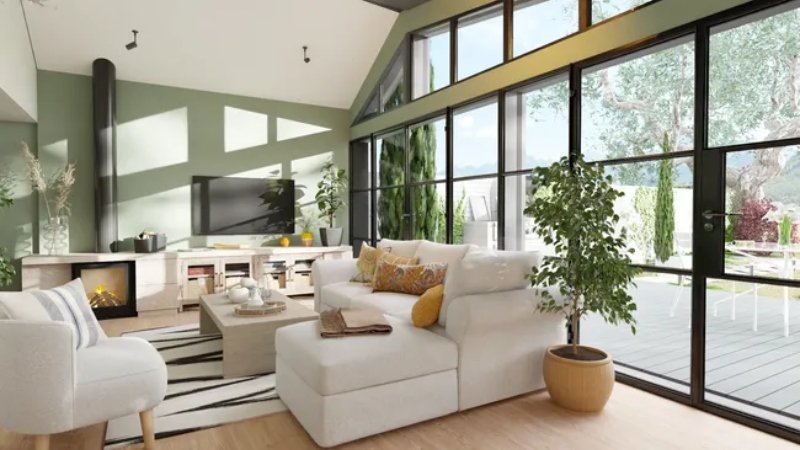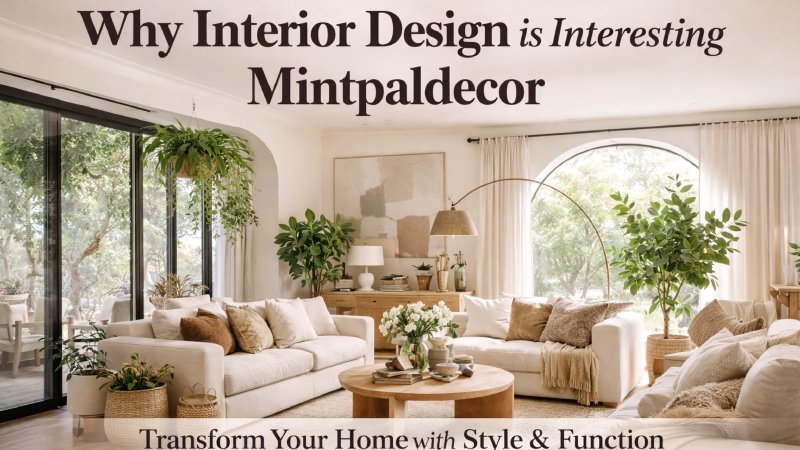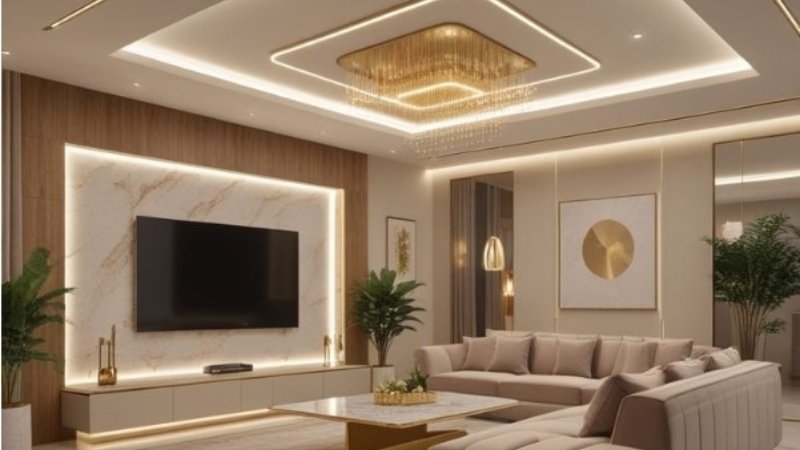
Interior Home design isn’t just about how a place looks; it also significantly impacts how people feel and act in that space. The colors we pick, the materials we use, the type of lighting we have, and how we arrange our furniture can affect how we feel, how well we work, and our general happiness. This post talks about how Interior Home design can affect how we feel and act.
Reasons Why Interior Design Affects Us
-
Color Psychology
Color is one of the most powerful parts of design that can change how we feel. Warm colors like red can make people feel lively and encourage chatting, while cool colors like blue make people feel relaxed. Mangalore interior designs think about what people like, the cultural meanings, and what each space is meant to be used for.
For instance, a meditation room can use soft blue and green colors to help people relax, while a creative workspace can have bright yellow or orange to boost energy and inspire creativity. The way colors are mixed, how different they are from each other, and how bright or dull they look all affect how people feel about a space.
-
Lightning and Mood
Light has a big impact on how we feel and how our bodies work. Well-designed lighting can boost energy, lower stress, and improve how much you get done.
Natural light: Makes you feel happier, gives you more energy, and helps you sleep better. Ambient lighting: This makes a room feel cozy and comfortable.
Task lighting: Bright light aimed at a specific area helps you to work or read better.
Accent lighting: Focuses on certain things or artwork to create emotions.
Color temperature: Warm lights make you feel comfortable, while cool lights make you feel awake and energetic.
-
Space Arrangement and Flow
How furniture and paths are set up in a room affects how people feel and get along with each other. Open and tidy spaces can make you feel calm and free, while small or messy areas can lead to stress and anxiety. How people move around and interact in a room depends on the layout, how easily they can get around, and important areas in the space.
Interior Home think about how different spaces affect people. They make separate areas for working, resting, and being social. A good layout can make you feel happier, help people connect with each other, and make a small space feel more welcoming and useful.
-
Textures and Materials
The materials and textures you touch and see influence how you feel and what you think, including how comfortable they are.
Soft fabrics: These are cozy and warm, helping you feel relaxed.
Natural materials: Wood, stone, and plants create a feeling of peace and a bond with nature.
Shiny surfaces: Glass and metal can make a room feel bigger and more lively.
Layered textures: Using different materials together makes things look more interesting and adds feeling.
Tactility and maintenance: Easy-to-touch materials that are low-stress can make people feel more comfortable and help reduce anxiety.
-
Customization and Identity
Personal touches greatly affect how comfortable you feel and your sense of belonging. Adding meaningful art, photos, special keepsakes, or items that represent one’s identity can help make a space feel more personal and emotional. Personalization makes people feel safer, more in control, and able to show who they are.
Places that match a person’s personality or beliefs help people feel happier, lower stress, and improve mental health. Designers usually work with clients to learn what they like, their memories, and what makes them feel certain emotions. This helps create spaces that feel unique to them while still looking good and balanced.
-
Sound and Acoustics
Sounds can change how you feel and how stressed you are. Designing spaces with good sound can help you feel better and concentrate more.
Noise control: Use rugs, curtains, and screens to reduce extra noise.
White noise or background sounds: These can help you concentrate or relax, depending on the environment.
Music integration: Create layouts that let you enjoy music without interruptions.
Natural sounds: Think about echoes and reflections to make a pleasant atmosphere.
Quiet zones: Areas where people can go to focus or relax.
-
Greenery and Nature-Inspired Design
Mangalore Interior Home designs bring in plants and natural elements that help improve mental health and feelings.
Indoor plants: They help lower stress, make the air cleaner, and lift your spirits.
Natural materials: Wood, stone, and water help create a peaceful feeling and a link to nature.
Nature view: Seeing nature through windows, like gardens or trees, helps people relax.
Living walls or terrariums: Brings in interesting sights and senses.
Natural rhythms: Sunlight and the changing seasons can make you feel better mentally.
Conclusion
The way a room is designed affects how you feel, act, and our overall happiness. By carefully choosing colors, lighting, materials, arrangement, sound, and personal touches, designers can create spaces that make people feel relaxed, energetic, creative, or focused, depending on what is needed. Knowing how these emotions affect people helps designers and clients make spaces that look great and also feel good emotionally.