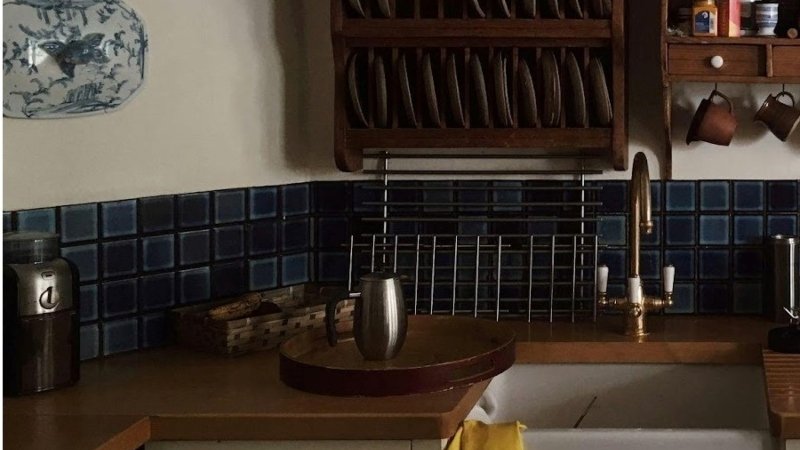
While the aesthetic of an older home may be timeless, the pipes are definitely on a ticking clock. Behind those heritage walls and beneath the floorboards lies a complex network of plumbing that wasn’t designed for the demands of 21st-century living. Homeowners often find themselves dealing with many plumbing issues, such as slow sinks and toilets.
Over time, pipe scale and grease build-up create the perfect environment for blocked drains in Dandenong and other areas. In older systems, the internal diameter of the pipe actually shrinks as layers of debris and mineral deposits crystallise along the walls. In this guide, we’ll discuss everything you need to know about what causes slow sinks and toilets in ageing homes.
The Evolution of Plumbing Materials
To understand why older homes struggle, we have to look at what they are made of. Before the mid-1970s, plumbing standards in Australia relied heavily on materials that were durable for their time but prone to specific types of failure as they aged.
Galvanised Iron
Used extensively in the early-to-mid 20th century, these pipes are notorious for rusting from the inside out. As the zinc coating wears away, the iron reacts with water to create rust flakes and “scale.” This eventually leads to pinhole leaks and discoloured water.
Terracotta and Clay
For sewer lines, vitrified clay was the go-to choice. While clay itself doesn’t rot, the sections were joined together with mortar or rubber rings that degrade over time. These joints become magnets for tree roots seeking a reliable water source.
Copper
While copper is still used today, the “thin-wall” copper used in some older renovations can become brittle or develop “pitting” corrosion due to the chemical composition of local water supplies.
The Accumulation of “Pipe Scale” and Culinary Grease
In the kitchen of an older home, the primary culprit for a slow sink is almost always a combination of grease and mineral scale. Even if you are careful not to pour liquid fat down the drain, small amounts of oils from dishwashing accumulate over decades. In older metal pipes, the interior surface is often pitted and rough. This roughness acts like Velcro for grease molecules.
As the grease cools, it solidifies and traps other particles like coffee grounds or soap scum. This creates a thick, waxy substance that is incredibly difficult to shift with a standard plunger. In Australia’s harder water regions, calcium and magnesium deposits bind with this grease, turning it into a concrete-like substance.
This is why DIY chemical drain cleaners often fail in older homes; they might burn a small hole through the center of the clog, but they leave the bulk of the restriction intact, leading to another blockage just weeks later.
Structural Shifting and “Bellied” Pipes
Australia is known for its reactive soils: clays that expand and contract significantly with the seasons. Over 50-60 years, the ground beneath a house moves. While modern PVC piping has a degree of flexibility, the rigid clay or cast-iron pipes found in older homes do not.
When the ground shifts, it can cause a section of the pipe to sink, creating what plumbers call a “belly” or a sag. Gravity is the only thing moving waste out of your home; when a pipe loses its downward slope, water sits in the “belly” of the pipe.
Solids settle in these low points, eventually building up until the pipe is almost entirely restricted. If your toilet is slow to flush despite there being no obvious clog in the U-bend, a bellied line deep underground is often the secret offender.
Tree Root Intrusion in Heritage Lines
The beautiful, mature trees that often surround older Australian homes are the natural enemy of vintage plumbing. As mentioned earlier, clay and terracotta pipes have joints every metre or so. As the house ages and the ground moves, these joints hairline crack or pull apart slightly.
Trees can sense the moisture and nutrients inside a sewer pipe. A root hair no thicker than a piece of thread can find its way into a tiny crack. Once inside, it feasts on the nutrient-rich wastewater and grows into a massive root ball.
In an older home, a slow-draining toilet is frequently the first warning sign that tree roots have effectively turned your sewer line into a garden bed. Because the roots occupy so much volume, the “exit path” for waste is narrowed, leading to frequent backups.
Outdated Venting Systems
Many homeowners don’t realise that for water to go down, air must be able to move through the system. This is the job of the plumbing vent, or the small pipe you see sticking out of your roof. Older homes often have “single-stack” systems or venting that doesn’t meet modern building codes.
If a vent is blocked by a bird’s nest or was poorly designed originally, it creates a vacuum effect. Think of holding your thumb over the end of a straw filled with water; the water won’t drop until you lift your thumb. If your Slow Sinks and Toilets “glugs” or bubbles as it drains, or if the water in your toilet bowl bounces up and down during a storm, you likely have a venting issue. Without proper airflow, the water simply cannot move at the speed it was intended to. Contact Us
Modern Solutions for Aged Infrastructure
The good news is that having an older home doesn’t mean you have to dig up your entire garden or rip out your floorboards to fix slow drains. Modern plumbing technology has evolved to treat these heritage issues with minimal disruption. Here are some of the solutions today:
- CCTV Drain Inspections
- Jet Rodding
- Pipe Relining
Conclusion
Slow sinks and toilets in older Australian homes are rarely just a “one-off” inconvenience. They are usually the voice of a system that is struggling under the weight of its own age. By identifying whether the issue is a buildup of scale, a structural sag, or an invading root system, you can move away from the frustration of the plunger and toward a long-term solution that protects the value of your property.