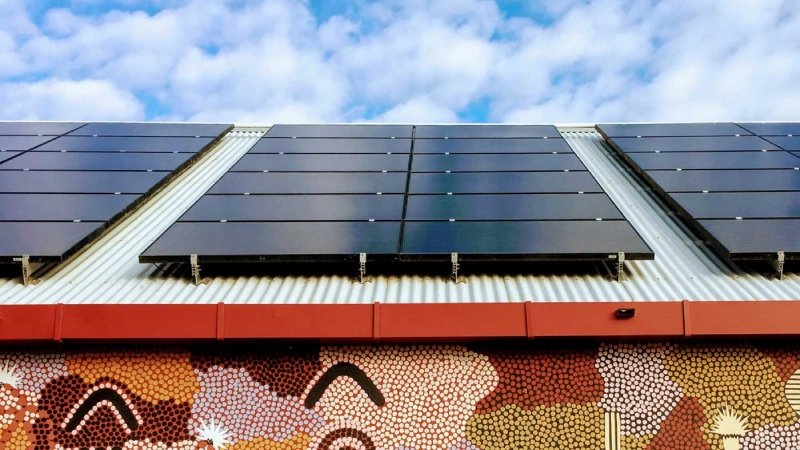
The conversation around solar panels has shifted dramatically. What was once a purely functional decision now intersects with architectural design, property aesthetics, and homeowner pride. Modern solar technology allows homeowners to generate clean energy without compromising the visual character of their properties.
This matters because your home’s exterior defines its personality. Whether you own a Victorian in a historic neighborhood, a mid-century modern in the suburbs, or a contemporary build in a planned community, the right solar installation enhances rather than detracts from that character. Companies like Solar Panels Birmingham work with homeowners to design systems that respect architectural integrity while delivering substantial energy savings.
The key insight: solar installation is now as much an aesthetic decision as an energy one. Getting it right requires understanding how modern panel technology, strategic placement, and thoughtful design choices work together.
The Evolution of Solar Panel Design
Early solar panels were bulky, conspicuous rectangles that announced their presence from every angle. Modern monocrystalline panels tell a different story. They feature uniform black surfaces that blend seamlessly with dark roofing materials. Frames are slimmer, profiles lower, and overall aesthetics considerably more refined than previous generations.
Solar roof tiles represent the design apex, replacing traditional roofing materials entirely while functioning as both waterproof covering and electricity generator. From street level, they’re virtually indistinguishable from premium architectural shingles. The technology costs more than conventional panels, but for homeowners prioritizing appearance on prominent roof sections visible from the street, the investment delivers both energy generation and visual cohesion.
Higher-efficiency panels also serve aesthetic goals. They generate more power per square foot, meaning fewer panels for target output. A roof requiring 20 standard panels five years ago now needs just 14-16 high-efficiency units, creating cleaner roof lines and less visual interruption.
Architectural Considerations Across Home Styles
Different architectural styles demand different solar approaches. Victorian and craftsman homes with complex roof lines work best when panels occupy single roof planes rather than wrapping around architectural features. Grouping panels on the largest, least visible section maintains character while maximizing generation. Mid-century modern homes with clean lines and geometric forms actually complement solar aesthetics naturally. Many homeowners position panels as intentional design elements.
Colonial and traditional homes benefit from strategic placement on rear-facing or side sections, preserving prominent front facades while capturing southern exposure on rear slopes. Ranch-style homes with broad, simple roof planes offer ideal solar canvases, often achieving the best balance between generation capacity and aesthetic integration.
Installation Strategies That Preserve Curb Appeal
Low-profile mounting systems sit just inches above the roof surface, minimizing three-dimensional presence. This matters when panels appear in profile against the sky. Symmetrical layouts create visual order. Centering the array and maintaining even margins produces a deliberately composed appearance. Digital rendering tools preview different layouts, allowing homeowners to select arrangements that complement their property’s proportions.
Color coordination of mounting rails and conduit with roof and trim colors reduces visual impact. Black components disappear against dark roofs, while light gray hardware blends with lighter shingles. For properties in historic districts, ground-mounted arrays in rear yards or panels on detached garages generate power without affecting the primary home’s appearance.
Interior Benefits Beyond Appearance
Solar panels reduce attic heat gain during summer, improving interior comfort in rooms beneath the array. This particularly impacts second-floor bedrooms and attic spaces.
The psychological impact of energy independence influences how homeowners experience their spaces. Real-time generation monitoring creates engagement with home energy systems, often spurring additional efficiency upgrades to insulation, windows, and HVAC.
ROI Beyond Energy Savings
Property value research shows solar installations increase home values by 3-4%. In competitive markets, solar attracts environmentally conscious buyers willing to pay premiums. Modern appraisal practices include solar systems in property valuations as permanent improvements. Homeowners recover installation costs through both energy savings and increased property equity.
Buyer surveys indicate solar installations enhance perceived property value, particularly among younger buyers who prioritize sustainability and long-term operating costs.
The Design-Forward Solar Decision
The integration of solar panels with home design has matured from afterthought to intentional architectural element. Modern systems deliver clean energy generation without requiring homeowners to sacrifice the aesthetic qualities that make properties distinctive. With thoughtful planning, appropriate technology selection, and professional installation, solar becomes an enhancement to property appearance rather than a compromise.
For homeowners who previously hesitated due to aesthetic concerns, current technology eliminates that barrier. The question isn’t whether solar can look good, but rather how to design installations that complement each property’s unique character while maximizing energy production and long-term value.