There isn’t any project manager who would risk having the wrong Right Compactor that would not only result in poor project outcomes, but also lead to inefficiency and setbacks. And let’s be honest, heavy construction machines are not cheap, so choosing the inappropriate compacting machine can drive up costs and cause complications. On the other hand, choosing the right one means enhanced productivity, better compaction quality, and significantly less time needed for soil or material processing.
This tells us just a little about how important it is to choose a reliable, advanced, and productive compactor. Notably, for construction and roadwork projects, enhancing soil foundation and strength is key.
In the following post, we’re going to offer comprehensive guidance on what type of compactors to use, the machine size and weight that is suitable for every type of project, the terrain adaptability, the operating costs, key features, and how you can simplify the purchase process.
Choose a Reliable Marketplace
Even if you know what you’re aiming for, you may still find it difficult to discover the marketplace that offers you the exact specifications you need. Fortunately, many marketplaces offer tailored solutions for each type of project. For example, makana.com provides access to a wide range of compactors for sale from around the world, with international shipping and seamless delivery, while ensuring every compactor is backed by Certified Inspection Reports™ for top-quality assurance.
Types of Compactors: What You Need to Know
When we talk about ‘compactors’, we definitely don’t mean one particular model, as there are many types of compactors, each designed for specific tasks and environments. Understanding each one of these types and learning the differences between them is essential to help you choose the right machine for your project.
Here’s a list of some of the most important and common compactors, and when to choose each of them:
Vibratory compactors
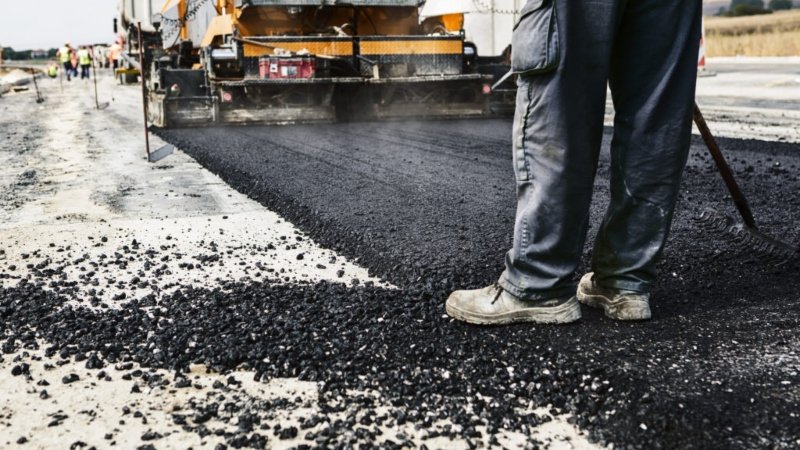
Unlike other types of compactors, vibratory compactors don’t rely only on weight; they also apply high-frequency vibrations to reduce air voids in soil, gravel, or asphalt, increasing density and stability. This makes them suitable for use when building roads and highways, compacting granular soils like sand and gravel, on large construction sites, for base layers before asphalt is laid, or when faster compaction is needed.
Smooth Drum Compactors
If your project is on large, open construction sites or is a road or highway construction, then using a smooth drum Right Compactor is just what you need. And the reason is that the smooth drum compactor applies pressure through a heavy cylindrical steel drum to compress soil, gravel, or asphalt into a dense, even layer.
Padfoot Compactors (Sheepfoot Rollers)
The padfoot compactors, AKA sheepfoot rollers, are the ideal choice for cohesive and semi-cohesive soils due to their superior performance on clay, silt, and mixed soils that require kneading action instead of surface pressure, for example, in embankment and dam construction, or any other large earthworks projects.
Pneumatic Tire Rollers (PTR)
After initial compaction with steel drum rollers, you need a suitable compaction machine to finish and seal the road surface and smooth it out. Here’s where the role of the pneumatic tire roller holds significance, because it comes with air-filled rubber tires that provide crucial kneading and sealing actions, which are vital for compacting asphalt and soil by conforming to surface irregularities.
Machine Size and Weight: What’s Best for Your Project
Despite its importance, compactor type isn’t the only thing that matters, because there are also other considerations you should keep in mind when choosing the proper compactor for your project. Selecting the right compactor size and weight is necessary to ensure the equipment meets your project requirements without causing delays, damage, or even unnecessary costs.
Machine Size
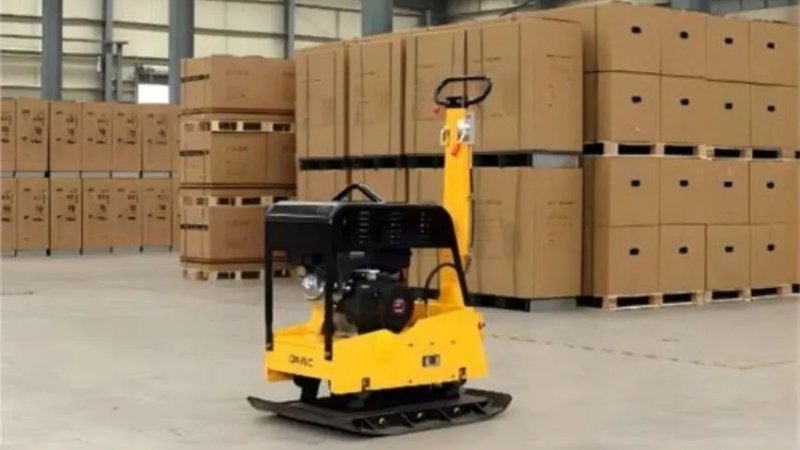
Depending on your project’s objectives and demands, choosing the appropriate and most effective machinery becomes evident. And like any other type of construction and heavy machinery, compactors come in different sizes to match project scale, work environment, and material type. On one hand, small compactors are more maneuverable and adaptable, which enables them to be the best fit for minor jobs like sidewalks, trenches, landscaping, and residential work. On the other hand, large compactors offer more power for large-scale infrastructure projects, and they cover wide areas quickly, making them more efficient on large sites.
Weight Considerations
If the project requires deep compaction or heavy-duty work on large, flat areas, then heavier machines are a better fit for that job because they deliver more pressure for compacting. Conversely, lighter Right Compactor are the perfect solution for softer soils and areas where excessive weight might cause displacement or damage to the project site.
Choosing the Right Size
When choosing the right compactor, it’s important to consider both the terrain and the scale of your project. For example, if your project involves narrow or crowded construction sites, then smaller contractors are more practical. Alternatively, large commercial roads or airport runways definitely require larger machines.
Operating Costs and Efficiency
A common problem that faces project managers is making poor financial decisions. Deciding on purchasing or renting heavy machinery, or other potential operating costs are significantly important in any project, as they will affect both short-term and long-term project expenses. That said, these are the most important points to consider cost-wise before investing in compacting machines:
I. Fuel Consumption
Some compacting machines can consume more fuel than others, especially in larger machines. That’s why you should look for models that incorporate fuel-efficient engines, which will also reduce the operational costs over time. Another choice that is getting more popular nowadays is hybrid or electric machines, since they offer lower fuel costs and eco-friendly performance.
II. Maintenance Costs
Calculating maintenance costs for certain types of machines can be challenging, given that it’s necessary to always consider oil changes, vibration system checks, and drum condition to ensure that the compactor is running at peak performance. You can also explore those modern compactors that feature self-diagnosing systems, helping to prevent costly repairs by notifying operators of potential issues before they escalate.
III. Operating Hours and Efficiency
There are more advanced models with automated compaction settings that complete tasks faster and with less effort from the operator. Investing in machines that offer superior efficiency for longer work hours or tough terrain will manifest in the overall operational efficiency, saving time and reducing the need for multiple shifts. Visit Decorators Advice for more information.
Final Thoughts
Just like any other project decision, there isn’t a PERFECT option that works for all cases and needs, but considering these key factors can help you make the most fitting choice for your project.