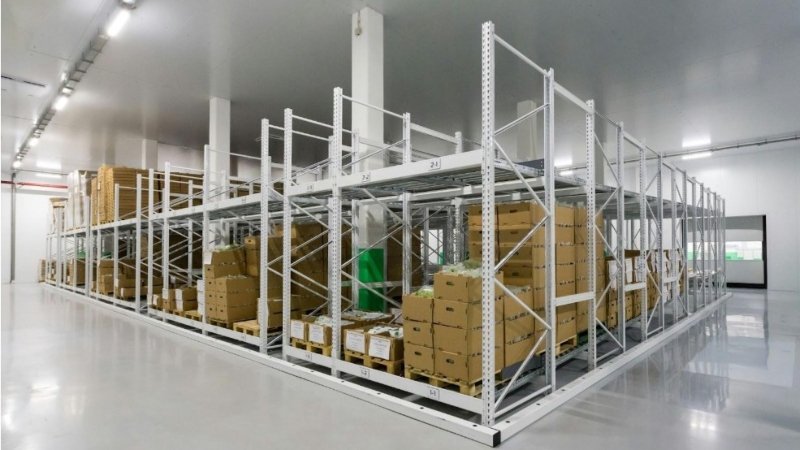
Whether it’s a high-traffic retail hub, a heavy-duty warehouse, or a sleek corporate office, the floor slab is the most abused element of the building. Yet, in many projects, floor screeding is treated as a secondary task. Professional screeding is actually a precise engineering task that dictates the longevity, safety, and aesthetic finish of the entire structure.
In modern commercial projects, contractors use a screed pump truck for accuracy and efficiency. It’s used to achieve a level of homogeneity in the screed that is simply impossible with manual methods, ensuring that every square meter of the floor has the same structural integrity.
Superior Structural Durability
Commercial floors are subjected to loads that residential floors never encounter. Think about the point-loading of heavy pallet racking, the constant vibration of machinery, or the thousands of footsteps crossing a lobby every day. A sub-standard screed will eventually crack, delaminate, or curl under this pressure, leading to expensive repairs and operational downtime.
Professional screeding utilises high-performance additives and fibres that increase the tensile strength of the mix. When applied by experts, the screed bonds effectively to the base slab, creating a monolithic structure that can withstand shear forces. Furthermore, professionals understand the science of drying shrinkage.
By controlling the moisture content and using specialised binders, they ensure the floor doesn’t pull away from the walls or crack as it cures, providing a rock-solid base that lasts for decades.
Achieving Perfect Levelling and Tolerance
In a large commercial space, ‘flat’ is a relative term. However, for certain industries, floor tolerances are non-negotiable. If you’re installing large-format porcelain tiles, a millimeter of deviance can cause lippage, where tile edges catch on shoes or trolleys. In high-reach warehouses, the tiniest slope at the floor level can cause a forklift mast to lean dangerously at its full height.
Professional installers use laser-levelling technology and precision screeding bars to meet strict SR (surface regularity) standards. By achieving a Category 1 or 2 finish, they ensure that the subsequent floor coverings can be installed flawlessly. This precision also reduces the amount of expensive adhesive or self-levelling compound needed later, saving the project money in the long run.
Enhanced Thermal Performance
Many modern commercial projects now incorporate underfloor heating (UFH) systems to provide energy-efficient climate control. The screed is the medium that must conduct and hold that heat. A poorly installed screed with air pockets or inconsistent thickness will result in cold spots and inefficient energy use.
Engineered screeds, particularly liquid or flowable varieties, wrap perfectly around heating pipes, ensuring 100% contact and maximum thermal conductivity. This allows the heating system to respond faster and operate at lower temperatures, significantly reducing the building’s carbon footprint and utility costs. Professional installers ensure the screed is at the optimal depth to balance heat-up time with thermal mass.
Speed and Project Timelines
In commercial construction, time is quite literally money. Every day a site is occupied by flooring contractors is a day the building cannot be handed over to the tenant. Traditional screeds can take weeks to dry—generally 1mm per day—meaning a 50mm screed could hold up a project for nearly two months before the final floor finish can be applied.
Professional screeding companies offer fast-track solutions using hydraulic binders.
Improved Surface Finish and Aesthetics
Even if the screed is eventually covered by carpet or vinyl, the quality of the face of the screed matters. A professional finish is smooth, non-dusting, and free of laitance.
For projects where the screed is the final floor, the stakes are even higher. Professional application ensures a consistent colour and aggregate distribution, providing an aesthetic that looks intentional and high-end rather than unfinished.
Risk Mitigation and Compliance
Commercial building codes and insurance requirements are increasingly stringent. If a floor fails in a public space, the liability can be astronomical. Hiring professionals ensures that the screed meets the required crushing strength (measured in Newtons) for the specific use case of the building.
Professional contractors provide data sheets, moisture tests, and strength certifications that offer peace of mind to architects and developers.
Professional Screeding: The Long-Term Value of Quality
While it may be tempting to cut costs on the sub-floor to spend more on visible finishes like marble or lighting, the screed is the one element you cannot easily replace. If a light fixture breaks, you swap it out. If the screed fails, you have to rip up the entire floor, move all the furniture, and essentially start the interior fit-out from scratch. Visit Decorators Advice for more information.
Investing in professional screeding is an insurance policy for the building’s future. It ensures that the finish looks better, the structure lasts longer, and the project stays on schedule. The precision offered by modern pumping equipment and expert installers is a fundamental requirement for a high-performing building