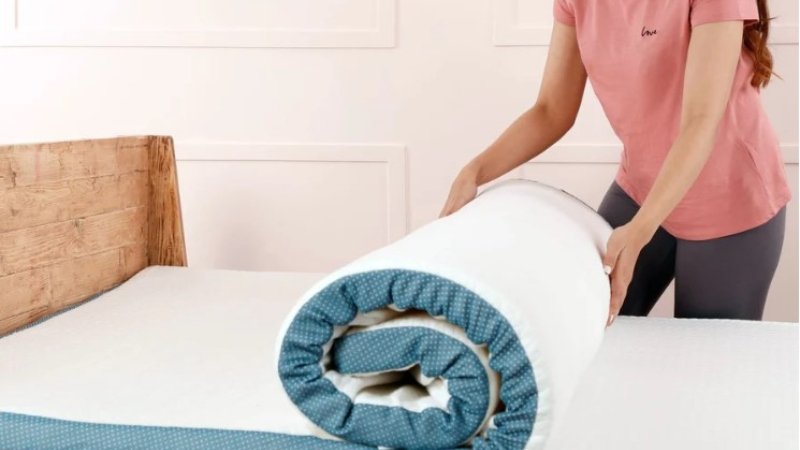
Every night, the body sheds tiny particles of skin, oils, and sweat into the bedding. These invisible traces attract microscopic organisms that slowly take up residence in the layers beneath you. Over time, allergens build up and can start influencing the quality of your sleep, even without you realising how deep the problem has gone.
Your choice of mattress topper makes a difference that goes far beyond providing comfort. The right topper not only enhances the softness of your bed but also forms a protective barrier between you and the allergens that thrive in your sleeping environment. A poor-quality layer, though, can become a breeding ground for unwanted particles that trigger hidden sensitivities and restless nights.
The Hidden Build-Up That Disrupts Rest
Unseen Particles and Slow Accumulation: The bedding you rely on each day gradually collects dust, pollen, and microscopic debris. These particles slip deep into the fabric layers, embedding within fibres where air circulation is poor. With time, your sleeping surface becomes a micro-ecosystem prone to allergen build-up that affects breathing patterns and nasal comfort during rest.
Allergens in Motion During Sleep: As you move, the trapped particles and spores are stirred into the air, exposing your lungs and skin to irritants throughout the night. Sneezing fits, dry throats, or clogged sinuses might reflect this hidden indoor exposure. It’s easy to overlook because the symptoms mimic seasonal allergies or fatigue from stress.
Environmental Triggers That Amplify Allergies: Humidity, pet dander, and lack of ventilation contribute to allergen persistence. In humid months, dust mites thrive and multiply rapidly. Without regular cleaning or breathable layers, the bedding becomes a sealed zone for allergenic life, turning each sleep cycle into a subtle source of irritation.
Memory Foam and Its Relationship With Dust Mites
Resistance of Dense Materials: Memory foam has gained trust due to its structure that resists mite colonisation. Its tightly packed composition leaves little room for dust mites to burrow or settle. This natural density limits allergen accumulation and helps regulate moisture, creating an environment less attractive to microscopic pests seeking humidity.
Potential Weaknesses Under Neglect: Even resistant materials can falter under poor care. If the foam remains damp or lacks ventilation, it may support mould and microbial activity. Sweat absorption, accidental spills, or poor airflow can compromise the barrier effect, making it vital to pair memory foam with a breathable cover and keep it aerated regularly.
Supportive Comfort Without Compromise: Modern foams offer pressure relief while maintaining structure, which indirectly helps reduce allergen agitation by lowering fabric friction during movement. Such balance improves sleep comfort for those sensitive to dust mites, giving the material both structural strength and hygienic advantage.
Choosing Materials That Defend Against Allergens
Natural Fibres With Hypoallergenic Strength: Latex and organic cotton layers display natural resistance to mites and mould. These fibres breathe better, disperse moisture, and maintain neutral pH levels that discourage bacterial growth. Their natural base supports a healthier resting surface and limits potential chemical irritants common in synthetic blends.
Breathable Structures for Cooler, Cleaner Sleep: A topper with open-cell design or ventilated channels supports steady airflow, preventing moisture lock. It keeps surfaces dry and cool, deterring Allergies survival. When paired with washable, hypoallergenic covers, the benefit multiplies, creating a dual defence against airborne triggers.
Advanced Textile Technology Integration: Some toppers use anti-microbial treatment that binds with textile surfaces to restrain biological activity. This technology limits bacterial colonisation and reduces Allergies intensity across the upper layers. While invisible, it significantly improves your long-term hygiene by maintaining cleaner contact zones night after night.
Practical Care That Extends Clean Sleep
Routine Maintenance for Sustained Defence: Regular dusting and airing can transform the hygiene level of your bedding. Washing covers in warm water and exposing the topper to indirect sunlight limits microbial growth. A simple schedule every few weeks can prevent the slow rise in allergen activity that impacts sleep over time.
Cleaning Methods That Preserve Material Integrity: Harsh cleaning agents can weaken foam and reduce its supportive elasticity. Using mild fabric-safe cleaners protects both structure and hygiene. Spot-cleaning stains immediately limits odour retention and keeps layers fresh without risking deterioration of material quality or comfort.
Consistent Care Habits That Support Sleep Health: Weekly sheet replacement, vacuuming, and good bedroom airflow all sustain your cleanliness standards. Once this becomes a routine, Allergies exposure reduces noticeably, reflecting in smoother breathing and fewer disturbances during the night.
- Wash removable covers biweekly to control sweat deposits and dander.
- Vacuum the mattress surface monthly using a HEPA-filter attachment.
- Rotate and air toppers outdoors occasionally for moisture reduction.
- Replace bedding sets every six months to minimise dust layering.
Matching Sensitive Skin With The Right Topper
Skin Sensitivity and Material Selection: For those with easily irritated skin, hypoallergenic fabrics like bamboo or organic cotton make a tangible difference. These materials are smooth, non-abrasive, and naturally antibacterial. They reduce direct friction with the skin and maintain a cooler, gentler contact zone that enhances relaxation preferences.
Effect of Temperature Regulation on Skin Health: Warm, stuffy surfaces can cause redness and itching. Temperature-regulating toppers use microgel infusions that evenly distribute heat. Such additions encourage balanced conditions for skin recovery and minimise triggers like sweating or dry patches that disturb rest quality and comfort.
Layer Design That Promotes Dermal Wellness: A topper structured for ventilation and elasticity helps reduce skin compression. By blending flexibility with firmness, it supports spinal alignment and evenly distributes pressure. Incorporating sleep ergonomics into the design philosophy promotes comfort and supports naturally restorative rest cycles throughout the night.
Recognising When Allergens Are Affecting You
Subtle Signs of Night Disturbance: Persistent sniffles, headaches upon waking, or itchy eyes can reveal undetected allergenic exposure. These arise when particles influence your breathing rate or trigger immune responses across several nights. Recognising these cues helps you address root causes before symptoms grow worse.
Changes in Sleep Efficiency: You might notice irregular sleep cycles or restless turning that worsen over weeks. Dust mite waste and trapped pollen can irritate the nasal lining, causing frequent awakenings. Small misalignments in bedding hygiene often lead to noticeable fatigue during the day.
Physical Indicators You Shouldn’t Ignore: Dry throats, tight chests, or subtle cold-like reactions may suggest deeper Allergies infiltration. When these align with visible dust trails or muffled odours, replacing the topper becomes a necessity rather than a choice to protect ongoing respiratory and cardiovascular health.
Better Nights Begin With Better Choices
Choosing the right topper means choosing cleaner breathing, calmer skin, and deeper rest. Investing in hygiene-conscious materials and structured cleaning routines strengthens both your comfort and long-term wellbeing. Upgrade your sleep environment today by selecting a topper designed for genuine defence and lasting freshness, and turn every night into a cleaner, healthier experience.